


Car Paint Defects: how to identify, prevent and fix automotive refinishing problems
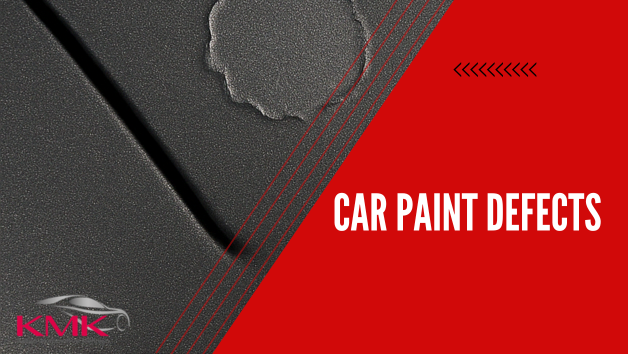
In professional body shops, automotive painting is one of the most crucial stages of the repair and refinishing process. Precision, technical expertise and controlled environmental conditions are key to achieving flawless results. A perfect finish not only enhances the vehicle’s appearance but also reflects the overall quality of the work.
However, even in well-equipped workshops, paint defects can occur. If not properly managed, these issues lead to costly rework, wasted materials, production delays and dissatisfied customers.
Knowing the causes of each defect and how to prevent them is essential for delivering professional results while reducing corrective interventions.
Most common car paint defects in body shops
More than 30 car paint defects are recognised, each showing specific visual signs. The following are the most frequent problems in automotive refinishing:
- Runs and sags
- Orange peel effect
- Craters or fisheyes
- Dullness or hazing
- Pinholes and graininess
- Peeling or flaking
- Lifting and wrinkling
- Polishing marks
- Silicone contamination
- Water or solvent ingress
Main Causes of Car Paint Defects
The origins of paint problems can usually be traced back to four main areas:
1. Surface Preparation
- Poor cleaning or inadequate degreasing
- Uneven sanding
- Residues of old paint or contaminants
2. Working Environment
- Dust or impurities in the spray booth
- Excess humidity or uncontrolled temperature
- Inadequate ventilation or air filtration
3. Product Preparation and Application
- Incorrect mixing or curing ratio
- Insufficient flash-off time
- Wrong spraying pressure or distance
- Use of incompatible products
4. Process Management and Equipment
- Dirty or poorly adjusted spray guns
- Lack of equipment maintenance
- Incorrect drying or baking times
How to prevent and fix car paint defects
Identifying the root cause of a defect is the first step towards solving it. Only by understanding whether the issue stems from application errors, contamination or unsuitable environmental conditions can you apply effective corrective actions.
This structured approach not only allows you to fix the defect but also helps prevent future issues, improving the overall quality of the painting process and reducing rework, time and costs.
Dedicated resources for body shops
On our website, you can access a dedicated section on automotive paint defects, where each problem is explained in detail. For every type of defect, you’ll find:
- Probable causes
- Prevention techniques
- Recommended corrective actions
This practical tool helps body shops quickly diagnose paint defects and continuously improve the quality of their refinishing process.